Meme Coin Trading in 2026
Need articles like this for your video? They help promote it on YouTube and Google — order them in the Telegram bot @sat_sit_bot. It writes articles around your video, embeds the video and publishes them on popular niche websites (no ads). Try it free: 50 articles on us.
· based on the channel rasmr
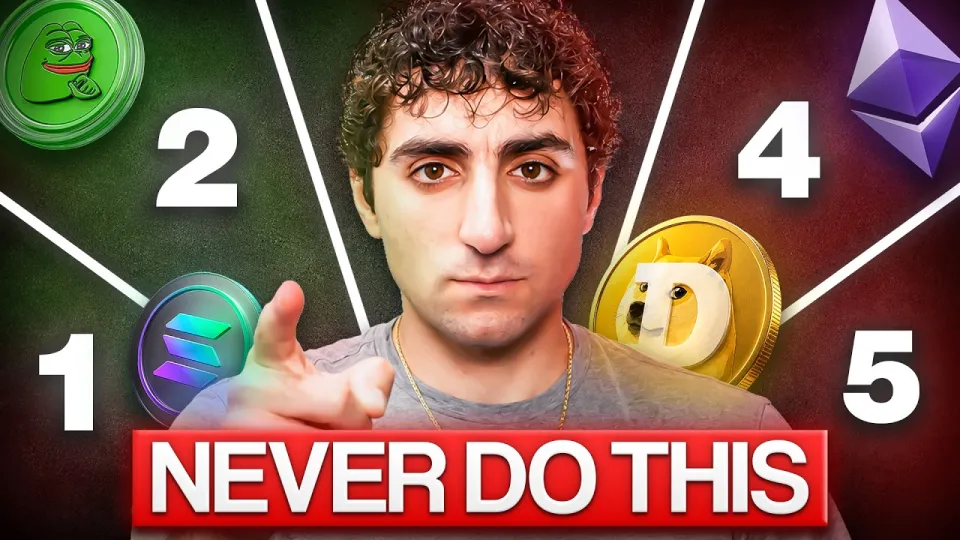
Meme coin trading is a high-risk, high-reward game where most participants lose money because they repeat the same mistakes: chasing pumps, ignoring risk management, and letting emotions drive decisions. The good news is that these pitfalls are well-documented, and avoiding them can significantly improve your odds. In this article, we break down five hard lessons that every meme coin trader should learn—insights inspired by the popular YouTube channel rasmr and its video “5 Things I Wish I Knew Before Trading Memecoins.” For those looking to start trading with a competitive edge, consider signing up on fomo.family via this referral link to access bonus features and a user-friendly platform.
Why Most Meme Coin Traders Fail
The primary reason meme coin traders fail is a lack of discipline and preparation. Unlike traditional assets, meme coins are driven by hype, social media, and community sentiment, which can lead to extreme volatility. Many newcomers jump in after seeing a coin pump on Twitter or TikTok, only to buy at the top and panic sell at the bottom. According to industry data, over 90% of meme coin traders end up with losses, often because they treat trading as gambling rather than a skill. The cycle of FOMO (fear of missing out) and FUD (fear, uncertainty, doubt) creates emotional decisions that erode capital. To succeed, you need a plan, patience, and a clear understanding of the risks involved.
Lesson 1: Patience Is Your Greatest Asset
Patience is the most underrated skill in meme coin trading. Many traders lose money because they feel the need to be in a trade constantly, especially during boring market conditions. As one viewer noted, “All it really is is just a patience game. Learned that the hard way and especially after losing my whole port trading during the bear market just because I was bored.” This sentiment is common: trading out of boredom often leads to impulsive entries and exits. Instead of forcing trades, wait for clear setups. Consolidation phases, where a coin trades sideways for an extended period, can offer better entry points than chasing a green candle. Set alerts, do your research, and only act when your criteria are met. Remember, not trading is also a position.
Lesson 2: Master Risk Management Before You Trade
Risk management is the difference between surviving and blowing up your account. Many beginners allocate too much capital to a single meme coin, hoping for a moonshot. A common rule is to risk no more than 1-2% of your portfolio on any single trade. Use stop-loss orders to limit downside, and never invest more than you can afford to lose. Additionally, consider position sizing based on volatility: meme coins can swing 50% in hours, so smaller positions help absorb shocks. Diversification across multiple coins can also reduce risk, but avoid over-diversifying into low-quality projects. As the saying goes, “Concentrate to get rich, diversify to stay rich.” In meme coins, survival is key.
Lesson 3: Understand Tokenomics and Liquidity
Tokenomics and liquidity are often overlooked by hype-driven traders. Before buying any meme coin, check its supply distribution, vesting schedules, and liquidity pool. A coin with a small liquidity pool is susceptible to high slippage and manipulation. Rug pulls happen when developers remove liquidity, leaving holders with worthless tokens. Look for locked liquidity and a renounced contract if possible. Also, be wary of tokens where a few wallets hold a large percentage of the supply—they can dump on you. Tools like DexScreener and Etherscan can help you verify these details. Understanding these fundamentals can save you from catastrophic losses.
Lesson 4: Control Your Emotions and Keep a Journal
Emotional control is critical in the fast-paced world of meme coins. Fear and greed can lead to buying at the top and selling at the bottom. One way to combat this is to keep a trading journal. Record your entries, exits, and the reasons behind them. Over time, you'll identify patterns in your behavior and spot recurring mistakes. Many traders also benefit from setting strict rules: for example, take profit at 2x, cut losses at -20%, and avoid trading after a big win or loss. Meditation or taking breaks can also help maintain clarity. As rasmr emphasizes, trading is a mental game—master yourself first.
Lesson 5: Learn from Real Trader Questions
Real questions from traders often reveal common knowledge gaps. For instance, one viewer asked, “So, you want to buy during consolidation, or do you wait for something else to confirm to buy, like good news?” This highlights the need for a clear strategy: buying during consolidation can be smart if the project has strong fundamentals and community support, but waiting for a catalyst (like a partnership announcement) can reduce risk. Another common concern is FOMO—many beginners start trading after a coin has already pumped. The key is to develop your own criteria and stick to them. Joining communities and learning from experienced traders, like those in rasmr's audience, can provide valuable insights and help you avoid pitfalls.
Putting It All Together
Avoiding these five mistakes can dramatically improve your meme coin trading results. Start with patience, manage risk, understand tokenomics, control emotions, and learn from others. Remember that meme coin trading is not a get-rich-quick scheme; it requires discipline and continuous learning. For a platform that supports your journey, sign up on fomo.family using this link to get started with the right tools and community. The channel rasmr provides honest, practical advice that can help you navigate this volatile market—be sure to check out their content for more insights.
Key takeaways
- Over 90% of meme coin traders lose money due to impulsive decisions and lack of a plan.
- Patience is key: buying during consolidation often outperforms chasing pumps.
- Risk management, including position sizing and stop-losses, is non-negotiable.
- Understanding tokenomics and liquidity helps avoid scams and rug pulls.
- Emotional control and a trading journal can dramatically improve outcomes.
Source: 5 Things I Wish I Knew Before Trading Memecoins (Learn From My Mistakes) · Markdown version
Questions & answers
How much capital should I allocate to meme coin trading?
Only allocate a small portion of your portfolio—typically 1-5%—that you can afford to lose entirely. Meme coins are extremely volatile, and risking more can lead to significant losses. Use position sizing and stop-losses to protect your capital.
Is it better to buy during consolidation or wait for news?
Both strategies have merit. Buying during consolidation can offer a better entry price if the project has strong fundamentals, but waiting for a confirmed catalyst (like a partnership or listing) reduces uncertainty. Develop a plan based on your risk tolerance and stick to it.
How can I avoid rug pulls and scams?
Check for locked liquidity, a renounced contract, and a healthy distribution of token holdings. Use tools like DexScreener and Etherscan to verify. Avoid projects with anonymous teams or unrealistic promises, and never invest more than you can afford to lose.
What is the biggest mistake beginners make in meme coin trading?
The biggest mistake is trading emotionally—chasing pumps out of FOMO or selling in panic. This often leads to buying high and selling low. Keep a trading journal, set rules, and focus on patience and risk management to avoid this trap.